
In recent years, a growing number of Melbourne-based investors have shifted their attention to the thriving real estate market in Dubai. This interest is not unfounded. Dubai’s combination of zero property tax, strong rental yields, and a stable economic environment makes it one of the most attractive investment destinations in the world. As property prices in Melbourne continue to rise with modest rental returns, investors are increasingly exploring international markets that offer more lucrative returns and investor-friendly regulations. Dubai stands out as a clear frontrunner, offering both financial opportunity and lifestyle appeal.
For those living in Melbourne and considering real estate investment in Dubai, one of the most common questions is, “How much money do I need to get started?” The answer to this question depends on several variables, including the type of property, the location within Dubai, and whether the property is ready or off-plan. In this guide, we’ll explore the financial requirements in detail, helping you understand everything you need to know to make an informed investment.
To purchase property in Dubai, the minimum investment varies depending on your objectives and the type of property you're targeting. For instance, if you are looking at budget-friendly studio apartments in up-and-coming areas like Jumeirah Village Circle (JVC), you can find properties starting from AED 500,000. In Australian dollars, that amounts to approximately AUD 210,000. However, if your goal is to qualify for an investor visa, the minimum investment threshold is AED 750,000, which translates to about AUD 315,000.
Those interested in more luxurious developments in prime areas such as Downtown Dubai, Business Bay, or Dubai Marina should be prepared to invest upwards of AED 1 million, which is about AUD 420,000. Villas and townhouses in high-end communities can cost anywhere from AED 2 million to AED 4 million (AUD 850,000 to AUD 1.7 million). These prices reflect a fast-developing market and Dubai's growing appeal as a global city with world-class infrastructure and amenities.
When investing in property in Dubai, Melbourne-based buyers must account for additional costs beyond the listed property price. These include government charges and professional service fees. One significant cost is the Dubai Land Department (DLD) fee, which is typically 4% of the property value. On top of that, there's a registration fee ranging from AED 2,000 to AED 4,000, depending on the value of the transaction.
Real estate agent commissions are also customary and generally sit at around 2% of the purchase price. If you’re buying an off-plan property (one that’s still under construction), you’ll also need to pay an Oqood fee—usually AED 5,250—to register the property with the government. Other ongoing costs include service charges, which cover maintenance and communal facility management and can range from AED 10 to AED 30 per square foot annually, depending on the property type and location.
To put these figures in perspective, buying a one-bedroom apartment in Dubai for AED 1 million (about AUD 420,000) may result in an additional AED 64,000 to AED 70,000 in taxes, fees, and commissions—bringing your total investment to roughly AUD 450,000.
Melbourne residents who don’t wish to purchase outright in cash will be pleased to know that mortgages are available in Dubai for non-resident investors. Several major UAE banks, including Emirates NBD, HSBC UAE, Mashreq Bank, and Abu Dhabi Islamic Bank, offer financing to foreign buyers. However, eligibility requirements can be more stringent for overseas applicants.
Typically, Australian investors can expect a loan-to-value (LTV) ratio of 50% to 60%. This means you’ll need to provide a down payment of at least 40% to 50% of the property’s value. Lenders also require proof of stable income, generally amounting to at least AED 15,000 per month (approximately AUD 6,300). Documentation such as tax returns, pay slips, bank statements, and identification are all required during the application process. While the interest rates for non-resident mortgages may be slightly higher than for UAE residents, they still remain attractive compared to Australia’s lending landscape.
Choosing the right location is essential when investing in any real estate market. For Melbourne investors unfamiliar with Dubai’s urban layout, it’s worth exploring both emerging and established areas. Communities like Jumeirah Village Circle (JVC) offer some of the most affordable property options with strong rental demand and consistent yields. Business Bay, located near Downtown Dubai, is another hot spot for mid-to-high range investment with strong capital growth potential.
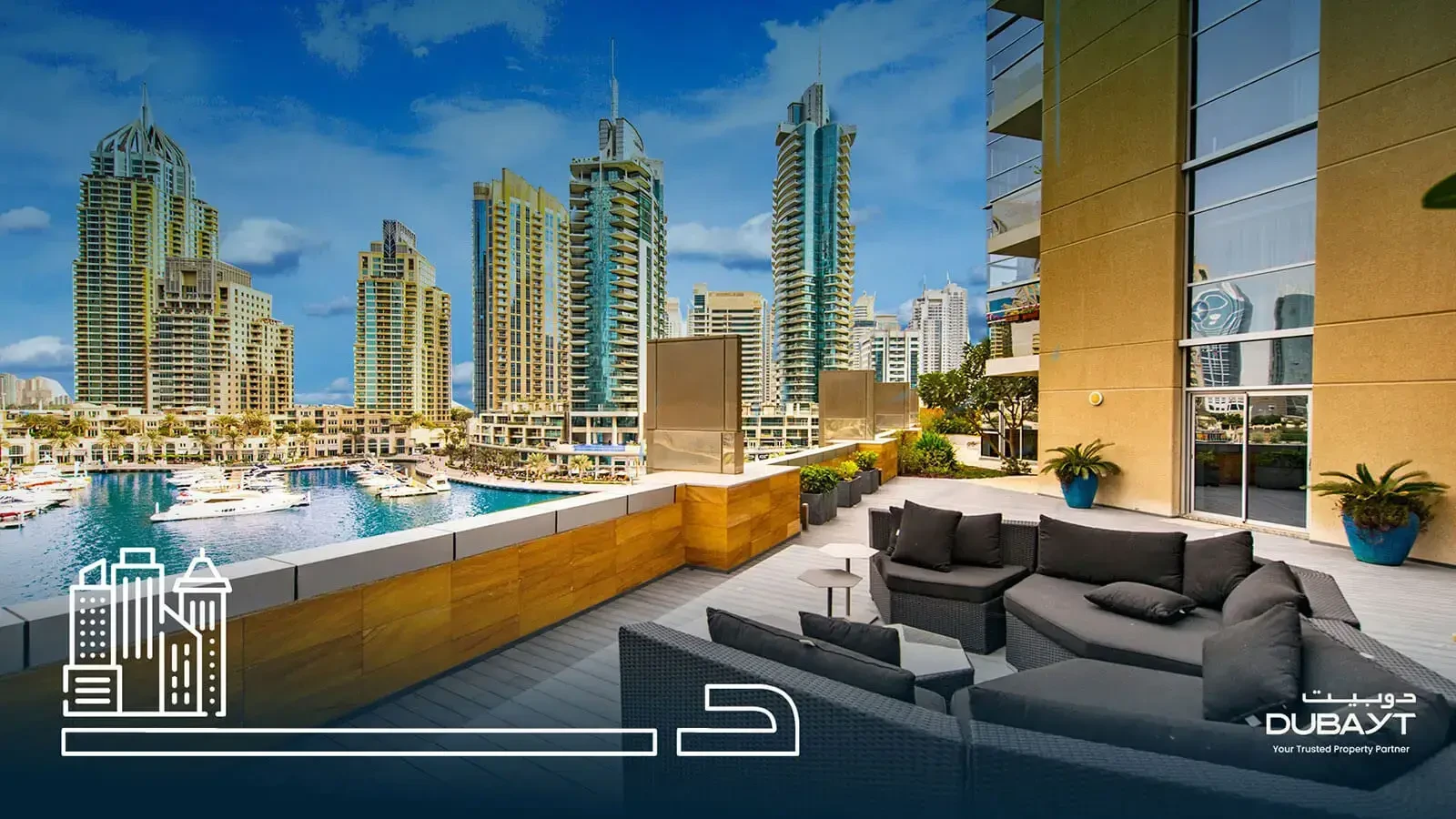
Dubai Marina is one of the most desirable waterfront locations, offering both lifestyle appeal and high short-term rental income potential, particularly among tourists and expats. If luxury and prestige are your priorities, Downtown Dubai and Palm Jumeirah remain flagship destinations that promise long-term appreciation and strong resale value.
Dubai South is also becoming a magnet for future-focused investors. With its close proximity to Al Maktoum International Airport and Expo City, the area is poised for rapid development and long-term profitability.
In 2025, Dubai continues to present an exceptional investment opportunity, especially for Australians looking to diversify their portfolios. Compared to Melbourne, where rental yields average around 2% to 4%, Dubai offers significantly higher returns, often between 7% and 10%. The absence of property tax, capital gains tax, and income tax further enhances the net profitability for international investors.
Moreover, Dubai’s off-plan market is thriving, with developers offering buyer-friendly payment plans, including post-handover options with zero interest. These schemes enable investors to secure high-value properties with relatively low upfront capital and staggered payments over time.
Another key benefit is residency. By investing AED 750,000 or more, foreign investors become eligible for a two-year renewable visa. For those investing AED 2 million or more, a 10-year Golden Visa is available—allowing for long-term residency, family sponsorship, and easier business setup options.
The process of buying property in Dubai is straightforward and well-regulated. Once a property is selected, the buyer and seller sign a Memorandum of Understanding (MOU), followed by the payment of a 10% security deposit. After that, relevant fees are paid to the DLD, and a formal sale agreement is executed. Upon completion, the buyer receives the title deed.
Transferring money from Australia to Dubai is also uncomplicated. Currency exchange platforms and banks facilitate international remittances in compliance with both Australian and UAE regulations. The UAE Dirham (AED) is pegged to the US Dollar, which offers additional stability for international transactions.
While Dubai imposes no tax on real estate income, Melbourne investors should consult a local tax advisor to understand any obligations under Australian tax law, especially concerning offshore income and capital gains.
So, how much money do you need to invest in Dubai property from Melbourne? The answer lies somewhere between AUD 210,000 to over AUD 1.5 million, depending on your investment goals. However, a solid starting point for a high-return property that qualifies for residency lies around AUD 315,000 to AUD 450,000, inclusive of all fees.
Dubai’s real estate market offers one of the best opportunities for Australians in 2025. With high rental yields, tax-free income, flexible financing, and robust legal frameworks, investing in Dubai from Melbourne is not only possible—it’s smart.
At Dubayt, we specialize in helping Australian investors identify the best properties in Dubai. Whether you’re a first-time investor or a seasoned buyer, our team is ready to guide you through every step—from selecting the right project to securing the Golden Visa.
Contact Dubayt today to explore your Dubai property investment journey with confidence.
1. What is the minimum investment to buy property in Dubai?
The minimum is AED 500,000 (AUD 210,000), though AED 750,000 (AUD 315,000) is required for visa eligibility.
2. Can a Melbourne resident legally own property in Dubai?
Yes, foreigners can own property in designated freehold zones across Dubai.
3. Are property returns in Dubai better than in Melbourne?
Yes, rental yields in Dubai range from 7% to 10%, compared to 2% to 4% in Melbourne.
4. Can Australians get a mortgage in Dubai?
Yes, with up to 60% financing available, depending on income and documentation.
5. Is Dubai property income taxed for Australian investors?
Dubai has no property tax, but Australian investors should consult a tax expert regarding their local obligations.














Comments (0)