
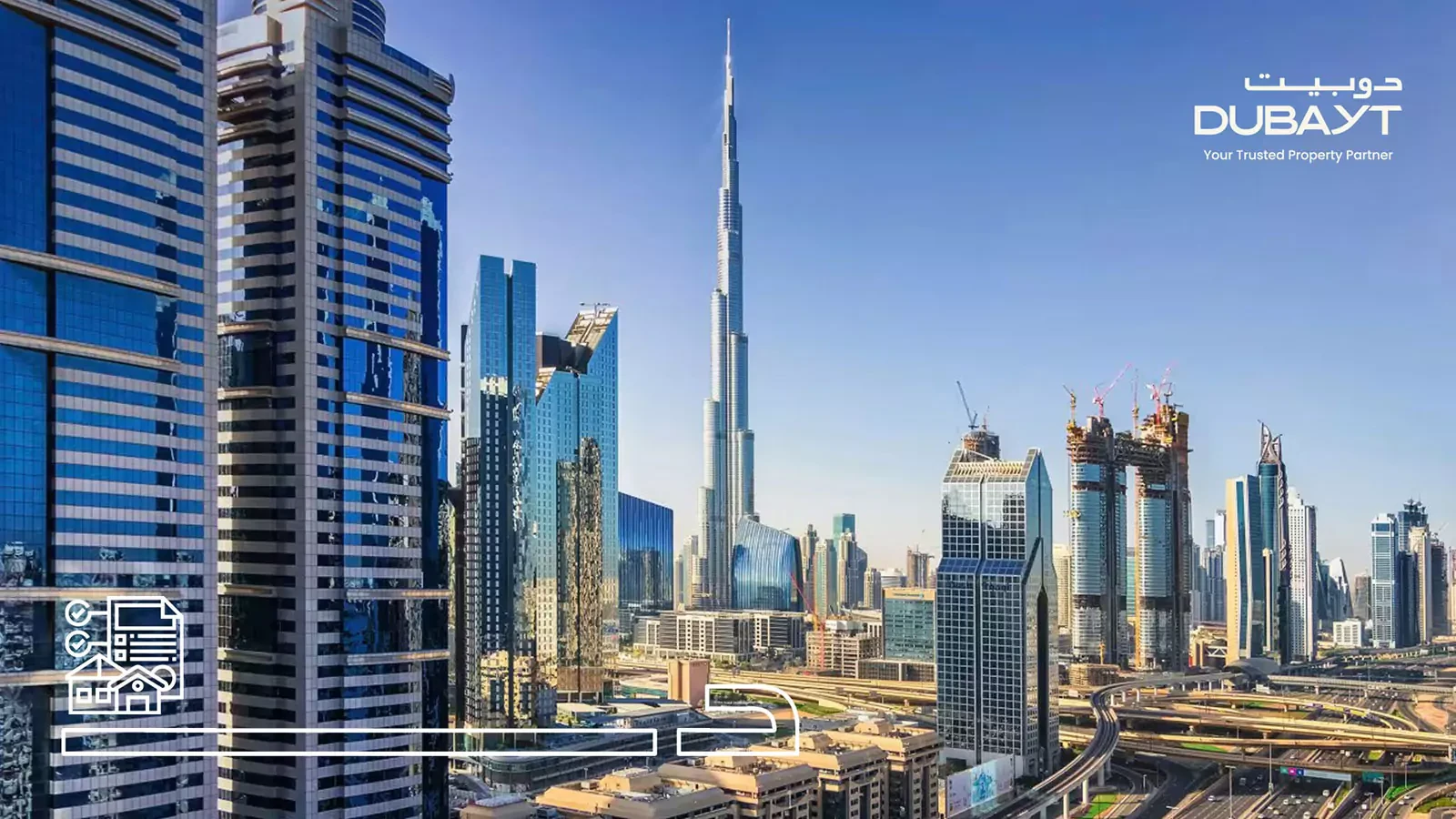
Over the past few years, Dubai has emerged as a magnet for global investors seeking stable and high-yield real estate opportunities. From Melbourne’s seasoned property investors to international entrepreneurs, everyone seems to be eyeing Dubai’s dynamic property market.
But the real story lies in the secondary market—resale apartments that often deliver better value, higher returns, and greater flexibility than new developments or premium properties in cities like Melbourne.
So, what makes Dubai’s secondary-market apartments a smarter choice? Let’s explore.
Dubai’s reputation as a global luxury hub isn’t just built on glittering skyscrapers and world-class shopping. Wealthy individuals—from Europe, Asia, and Australia—are drawn to the city’s unique blend of tax advantages, political stability, and high rental yields.
For Melbourne-based investors, this means their capital can work harder in Dubai—especially in the secondary market, where prices are often 10–20% below off-plan rates but rental yields remain robust.
While cities like Melbourne face tightening lending policies and stagnant rental growth, Dubai’s property sector continues to expand. According to recent data from the Dubai Land Department, transaction volumes hit record highs in 2024, driven by both foreign and domestic buyers.
Key drivers of the boom include:
Dubai’s market has matured significantly. Instead of speculation, investors are now focused on long-term rental income, capital appreciation, and portfolio diversification.
Investing in Dubai real estate, particularly in the secondary market, offers numerous advantages:
In contrast, Melbourne’s premium suburbs—like Toorak or Brighton—come with high entry costs, heavy taxation, and lower rental yields (typically below 3%).
Absolutely. Apartments remain the backbone of Dubai’s residential property market, especially in established communities such as Downtown Dubai, Dubai Marina, Jumeirah Lake Towers, and Business Bay.
Secondary-market apartments offer:
For Melbourne investors, this represents an opportunity to balance portfolios by holding income-generating assets in a fast-growing, tax-efficient market.
Comparing Value: Dubai vs. Melbourne
|
Feature |
Dubai (Secondary Market) |
Melbourne (Premium Suburbs) |
|
Average Yield |
6–8% |
2–3% |
|
Capital Gains Tax |
None |
Up to 45% (depending on bracket) |
|
Stamp Duty |
Minimal |
High |
|
Annual Taxes |
None |
Ongoing council and land taxes |
|
Entry Price (2BR Apartment) |
USD 400K–600K |
USD 1.2M–2M |
Clearly, Dubai’s resale properties allow investors to achieve faster ROI, diversify risk, and retain greater liquidity.
Several Melbourne-based investors now view Dubai as a strategic diversification play. The combination of luxury, affordability, and investor protection laws make it ideal for both capital appreciation and rental income.
Moreover, Dubai’s international environment, English-speaking business culture, and modern lifestyle align closely with what Australian investors are accustomed to—only at a fraction of the cost.
Dubai’s secondary-market apartments deliver more than just attractive yields—they provide security, lifestyle benefits, and global mobility. For Melbourne investors facing high taxes and modest returns, the Dubai real estate market represents a compelling, future-focused alternative.
Whether you’re a first-time international buyer or a seasoned investor, partnering with a trusted Dubai-based real estate advisory like Dubayt Real Estate ensures expert guidance, verified listings, and end-to-end assistance.
1. Why do so many wealthy people want to buy property in Dubai?
Because of Dubai’s tax-free environment, stable economy, and strong capital growth potential. It’s a secure place to store and grow wealth.
2. Why is the Dubai property market booming?
The market is fueled by population growth, foreign investment, investor-friendly policies, and the city’s global positioning as a lifestyle hub.
3. What are the advantages of buying property in Dubai?
Tax savings, high rental yields, strong capital appreciation, and access to long-term residency visas.
4. Are apartments a good investment in Dubai?
Yes. Apartments, especially in established areas, deliver strong rental income, liquidity, and long-term appreciation.
5. How can Melbourne investors buy property in Dubai remotely?
Through verified agents like Dubayt offering virtual tours, digital transactions, and end-to-end legal support.















Comments (0)