
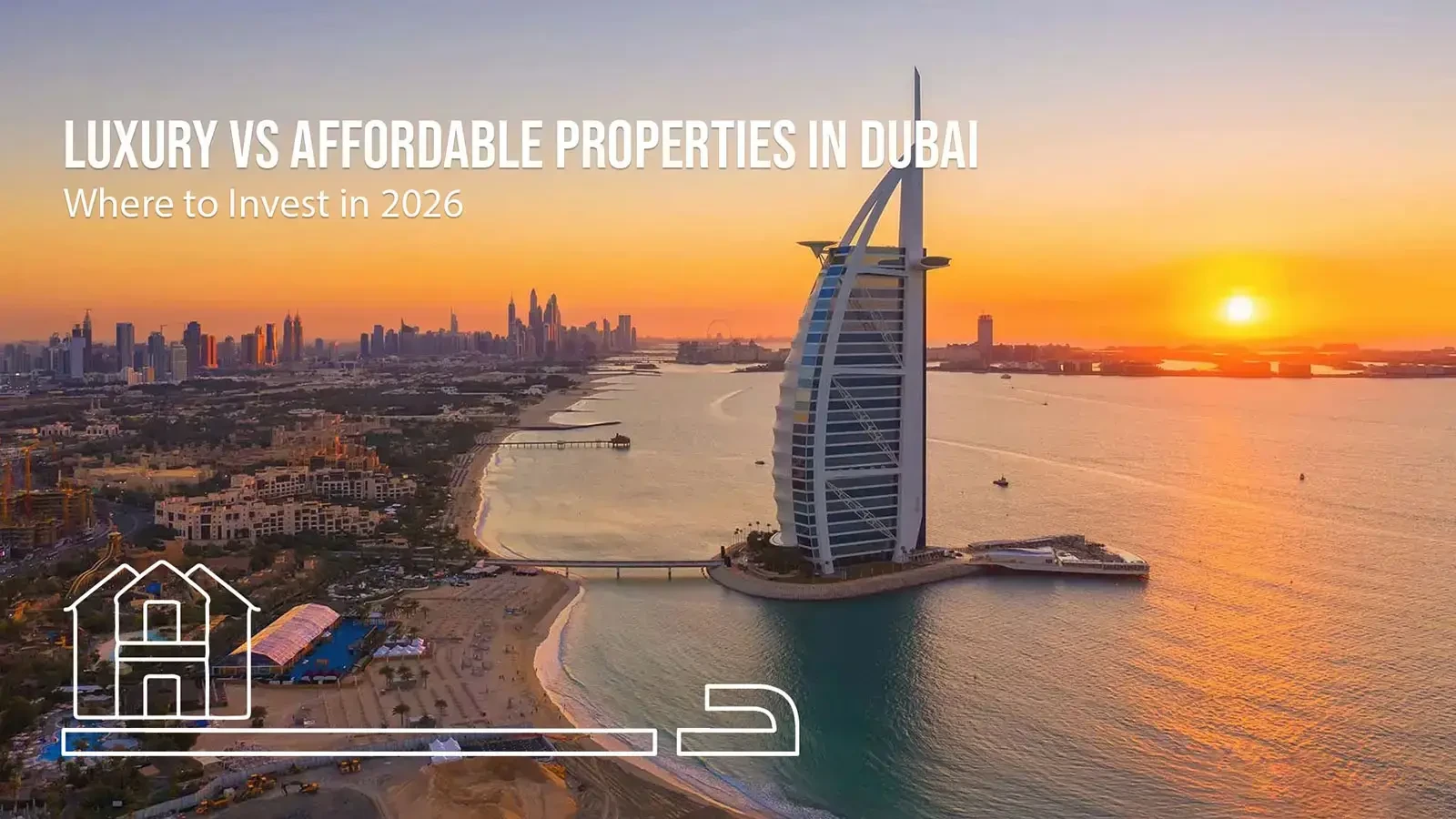
Dubai has firmly established itself as one of the world’s most attractive real estate markets. With tax-free income, investor-friendly policies, and a rapidly growing population, the city continues to attract buyers from around the globe. In recent years, the market has experienced remarkable growth, with property prices increasing significantly since 2020 and transaction volumes reaching record highs.
As we move into 2026, investors are increasingly asking a crucial question: Should you invest in luxury real estate or affordable properties in Dubai? Each segment offers different advantages in terms of return on investment (ROI), rental demand, and long-term appreciation.
This guide explores the key differences between luxury and affordable properties in Dubai, highlights the best investment areas, and helps you decide where to invest in 2026.
Dubai’s real estate market has seen consistent growth over the past few years. According to recent transaction data, the median residential property price is approximately 1,692 AED per square foot, with apartments averaging about 1.3 million AED and villas around 3.6 million AED.
The market recorded more than 215,000 property sales in 2025 worth over 682 billion AED, demonstrating strong investor demand.
Experts predict steady growth across all segments in 2026:
This balanced growth creates opportunities for both high-end investors and budget-conscious buyers.
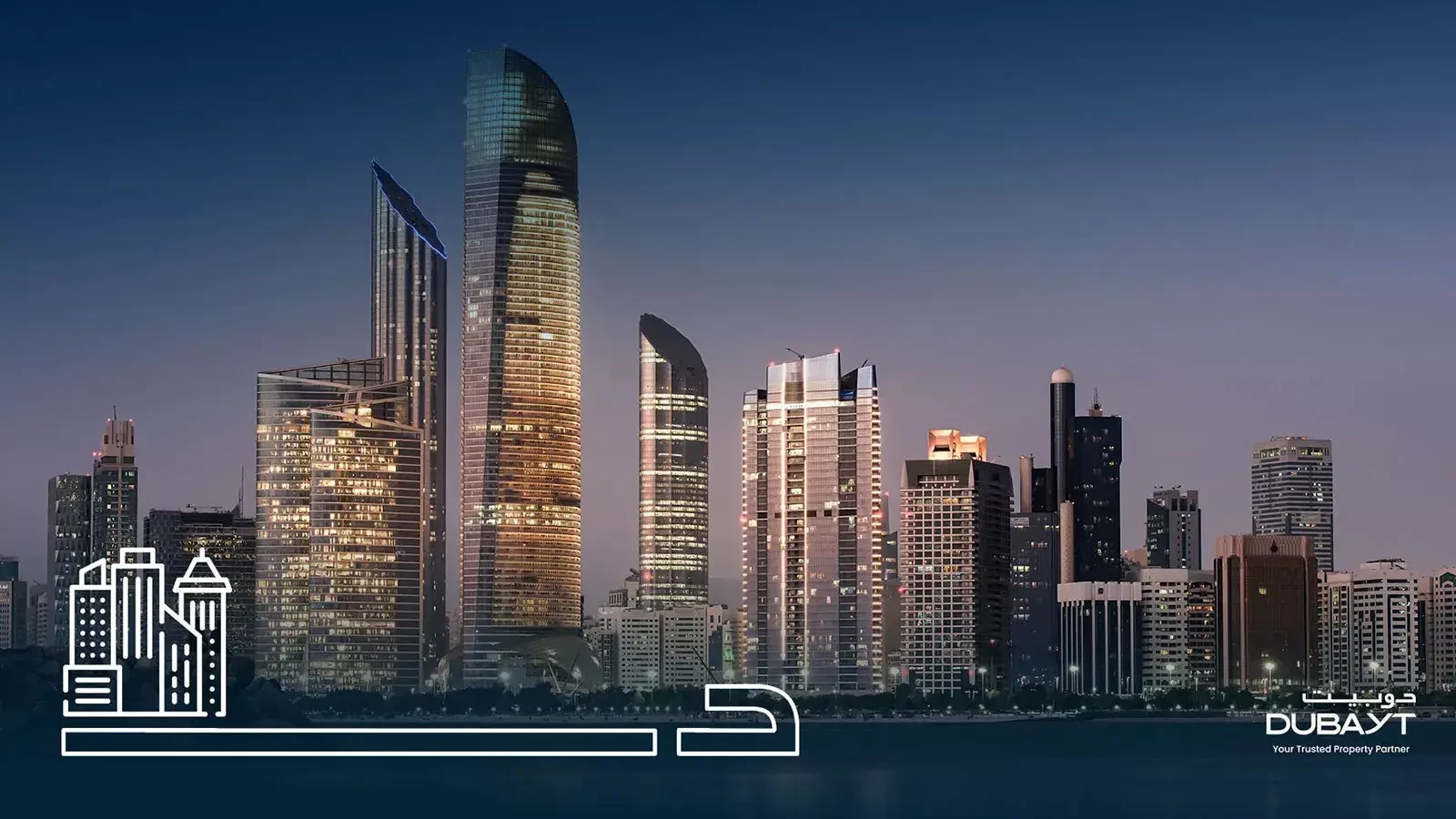
Luxury properties in Dubai are globally recognized for their iconic architecture, prime waterfront locations, and ultra-modern amenities. These homes attract high-net-worth individuals (HNWIs), international investors, and celebrities.
Some of the most sought-after luxury locations include:
These areas offer stunning waterfront views, proximity to business districts, and premium lifestyle facilities.
1. Strong Capital Appreciation
Luxury communities have experienced significant appreciation over recent years, with some areas recording 25–35% price growth.
Prime locations typically see higher long-term value growth due to limited supply and strong global demand.
2. Prestige and Lifestyle Appeal
Luxury properties often include features such as:
This lifestyle factor makes them highly desirable for wealthy buyers.
3. Residency Benefits
Many luxury properties exceed the AED 2 million threshold required for the UAE Golden Visa, making them particularly attractive to international investors seeking long-term residency.
4. Strong Short-Term Rental Potential
Luxury apartments and villas in tourist hotspots often generate strong income through short-term rentals.
While luxury real estate can deliver strong appreciation, it also comes with some challenges:
Rental yields in luxury areas typically average around 5–6% annually.
This means investors relying primarily on rental income may find better returns in other segments.
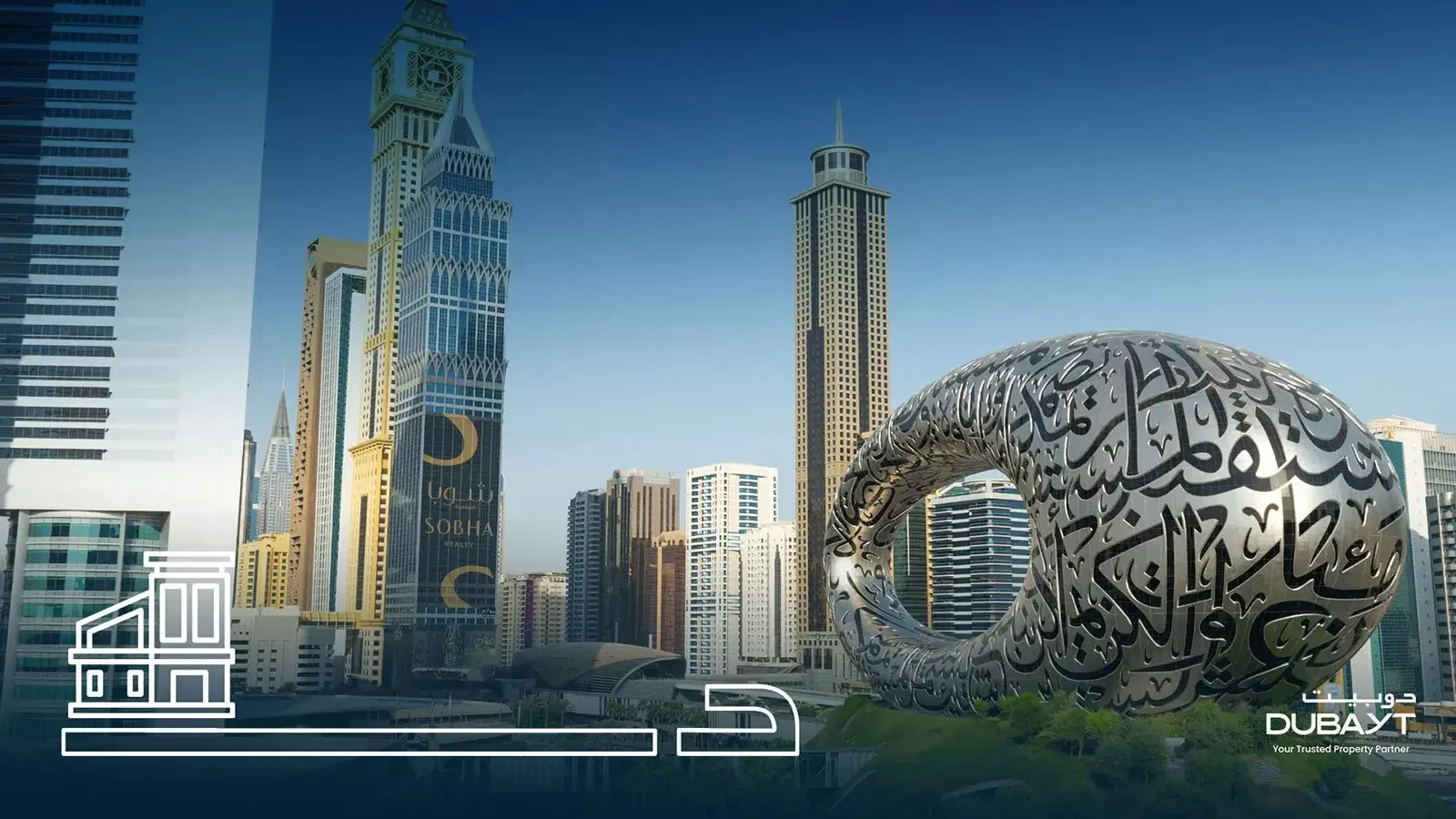
Affordable properties represent one of the fastest-growing segments in Dubai’s real estate market. These homes cater primarily to middle-income residents, expatriate professionals, and first-time investors.
Some of the best locations for affordable investment include:
These communities offer lower entry prices while still providing good infrastructure and rental demand.
1. Lower Investment Entry
Affordable properties allow investors to enter the Dubai market with significantly lower budgets.
For example, apartments in some communities can cost around 413,000 AED, making them accessible to a wider range of investors.
2. Higher Rental Yields
Affordable housing generally delivers higher rental returns compared to luxury properties.
Rental yields in some mid-tier areas can reach 7–10% annually, among the highest globally.
3. Strong Tenant Demand
Affordable properties attract:
This leads to higher occupancy rates and stable rental income.
4. Faster Resale Market
Because these homes are affordable, the pool of potential buyers is much larger.
This often makes them easier to sell compared to ultra-luxury properties.
Choosing between luxury and affordable properties ultimately depends on your investment goals.
|
Factor |
Luxury Property |
Affordable Property |
|
Entry Cost |
Very High |
Low to Moderate |
|
Rental Yield |
5–6% |
7–10% |
|
Capital Appreciation |
High |
Moderate |
|
Tenant Demand |
Limited |
Strong |
|
Risk Level |
Medium |
Low |
Many experienced investors recommend a balanced portfolio approach.
Strategy 1: Income Focus
Invest in affordable properties in high-demand rental areas to generate stable cash flow.
Strategy 2: Capital Growth
Buy luxury properties in premium locations with long-term appreciation potential.
Strategy 3: Off-Plan Investment
Off-plan projects currently represent over 60% of property transactions in Dubai, offering flexible payment plans and potential price appreciation before completion.
Dubai’s long-term real estate outlook remains strong due to several factors:
In fact, property prices have grown at a compound annual rate of nearly 11.7% since 2020, highlighting the market’s resilience and strong fundamentals.
Both luxury and affordable properties will continue to play vital roles in the city’s housing ecosystem.
Dubai offers one of the most dynamic real estate markets in the world. Whether you choose luxury or affordable properties depends largely on your financial goals, risk tolerance, and investment timeline.
Luxury properties provide prestige, long-term appreciation, and residency benefits, while affordable homes deliver stronger rental yields and steady demand.
For many investors, the smartest strategy in 2026 may be combining both segments—using affordable properties for income and luxury assets for long-term wealth creation.
With careful research and the right investment strategy, Dubai real estate remains a powerful opportunity for global investors.
At Dubayt, we specialize in helping Kenyan investors identify the best properties in Dubai. Whether you’re a first-time investor or a seasoned buyer, our team is ready to guide you through every step—from selecting the right project to securing the Golden Visa.
Contact Dubayt today to explore your Dubai property investment journey with confidence.
1. Is Dubai real estate a good investment in 2026?
Yes. Dubai’s property market continues to show strong demand, stable growth, and attractive rental yields compared to many global cities.
2. Which property type offers higher rental returns in Dubai?
Affordable and mid-tier properties generally provide higher rental yields, often ranging between 7% and 10%.
3. What is the average property price in Dubai?
The median property price in Dubai is around 1,692 AED per square foot, with apartments averaging about 1.3 million AED.
4. Can foreigners buy property in Dubai?
Yes. Foreign investors can purchase property in designated freehold areas and enjoy full ownership rights.
5. What is the minimum investment for a Dubai Golden Visa?
Investing AED 2 million or more in property can qualify buyers for the UAE Golden Visa.
















Comments (0)