
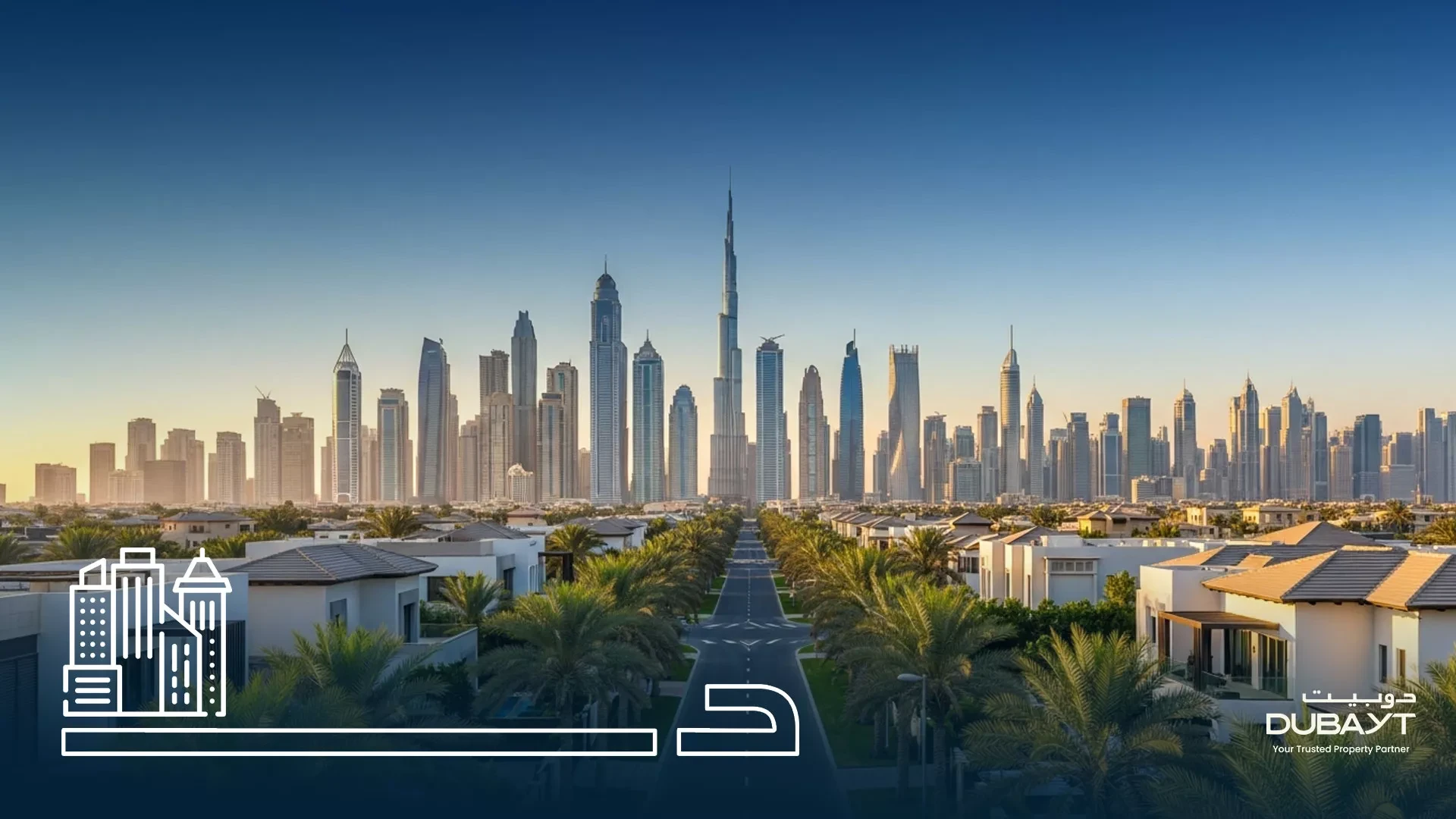
Kenyan investors have always been known for their sharp business acumen and strategic approach to wealth creation. In recent years, one sector gaining significant attention is Dubai real estate — a market that has consistently delivered strong returns, global recognition, and unmatched lifestyle benefits.
While Nairobi remains a developing hub for East African property investors, many Kenyans are now comparing it to Dubai’s booming real estate landscape to determine which offers better ROI (Return on Investment), greater stability, and long-term potential.
So, how does Dubai real estate for Kenyan investors truly compare to opportunities at home in Nairobi? Let’s take a detailed look.
Dubai: A Global Real Estate Hub
Dubai’s property market has evolved into one of the most transparent, dynamic, and investor-friendly markets in the world. Known for its tax-free ownership, long-term residency benefits, and high rental yields, it attracts investors from every continent — including a growing number from Africa.
According to the Dubai Land Department, the city saw record-breaking property transactions in 2024, with over AED 400 billion worth of deals, making it one of the world’s most active real estate markets.
Nairobi: A Growing but Volatile Market
Nairobi, on the other hand, has experienced steady growth in its property sector — driven by urbanization, infrastructure projects, and a rising middle class. However, economic fluctuations, inflation, and regulatory challenges often make returns inconsistent. While property prices have risen in key areas like Kilimani and Westlands, rental yields remain modest, averaging 4–5% annually.
When it comes to pure returns, Dubai outperforms Nairobi significantly.
|
Feature |
Dubai |
Nairobi |
|
Average ROI (Rental Yield) |
6–8% |
4–5% |
|
Capital Appreciation (Yearly) |
5–10% |
2–4% |
|
Tax on Property Income |
0% |
Up to 10–15% (depending on ownership type) |
|
Currency Stability |
Pegged to USD |
Subject to local inflation |
|
Investor Demand |
Global |
Mostly domestic |
Dubai’s secondary market properties — especially in Business Bay, Downtown Dubai, and Jumeirah Village Circle — provide excellent rental returns with minimal risk. In contrast, Nairobi’s market, though promising, still struggles with infrastructure gaps and slower resale liquidity.
Dubai: More Flexible Than Expected
Many Kenyan investors assume Dubai properties are only for ultra-wealthy buyers. In reality, there are multiple options starting from AED 699,000 (approx. KES 25 million) for a one-bedroom apartment in areas like Sobha SkyParks, JVC, or Arjan.
Developers in Dubai also offer flexible payment plans — for example, 20% on booking, 50% during construction, and 30% on handover. This makes it possible for investors to manage their capital efficiently over time.
Nairobi: Lower Entry, Higher Cost of Maintenance
While entry prices in Nairobi are relatively lower, the cost of maintenance, taxation, and limited tenant demand can reduce profitability. Additionally, construction delays and title disputes occasionally affect investor confidence.
Dubai’s real estate sector is governed by strong regulatory authorities such as the Dubai Land Department (DLD) and the Real Estate Regulatory Agency (RERA). These institutions ensure full transparency in property transactions, escrow account protection, and developer accountability.
In contrast, Nairobi’s property regulations, while improving, still face issues with land ownership verification, delayed registrations, and less structured dispute resolution mechanisms. For foreign investors, Dubai’s legal structure provides far greater peace of mind.
Investing in real estate is not just about returns — lifestyle and infrastructure play a huge role.
Dubai offers a world-class living experience with iconic landmarks like the Burj Khalifa, Dubai Mall, and Palm Jumeirah. The city is safe, modern, and home to excellent schools, healthcare, and leisure facilities. It also provides long-term residency visas to property investors, adding immense value.
Nairobi, while vibrant and culturally rich, still faces challenges like traffic congestion, security concerns, and uneven infrastructure development across neighborhoods.
Dubai’s economy is diversifying beyond oil — focusing on tourism, trade, fintech, and global business services under Dubai Vision 2040. This diversification fuels property demand and long-term appreciation.
Nairobi’s growth, though promising in East Africa, is largely regional and depends on domestic consumption and political stability. Thus, for international returns and global exposure, Dubai holds a stronger long-term growth outlook.
Here’s why an increasing number of Kenyan investors are choosing Dubai over Nairobi:
For example, developments like Sobha SkyParks, Emaar Beachfront, and Dubai Hills Estate are now attracting East African buyers looking for secure, high-yield investments with excellent appreciation potential.
While Nairobi continues to develop as a regional hub, Dubai’s real estate market offers Kenyan investors better ROI, stronger legal protection, and unmatched global appeal.
With stable currency, tax-free earnings, and an international standard of living, Dubai provides both financial returns and lifestyle benefits that Nairobi cannot yet match.
For Kenyan investors seeking diversification, stability, and long-term gains, Dubai real estate stands out as the smartest investment destination in 2025 and beyond.
At Dubayt, we specialize in helping Kenyan investors identify the best properties in Dubai. Whether you’re a first-time investor or a seasoned buyer, our team is ready to guide you through every step—from selecting the right project to securing the Golden Visa.
Contact Dubayt today to explore your Dubai property investment journey with confidence.
1. Why should Kenyan investors consider Dubai real estate?
Dubai offers high rental yields, tax-free ownership, long-term visas, and global connectivity — making it an ideal destination for Kenyan investors seeking growth and diversification.
2. Can Kenyans buy property in Dubai easily?
Yes. Kenyans can buy freehold properties in Dubai with full ownership rights in designated zones, with no restrictions on repatriating profits or rental income.
3. What are the typical ROI rates in Dubai vs. Nairobi?
Dubai real estate offers 6–8% average ROI, while Nairobi averages 4–5%, depending on property type and location.
4. What is the minimum investment for Dubai real estate?
You can invest in Dubai property starting from AED 699,000 (around KES 25 million), depending on location and developer.
5. Is Dubai real estate a safe investment for Kenyans?
Yes. Dubai has a strong regulatory framework under RERA and DLD, ensuring investor protection, secure transactions, and high transparency.




















Comments (0)